
green tempered glass
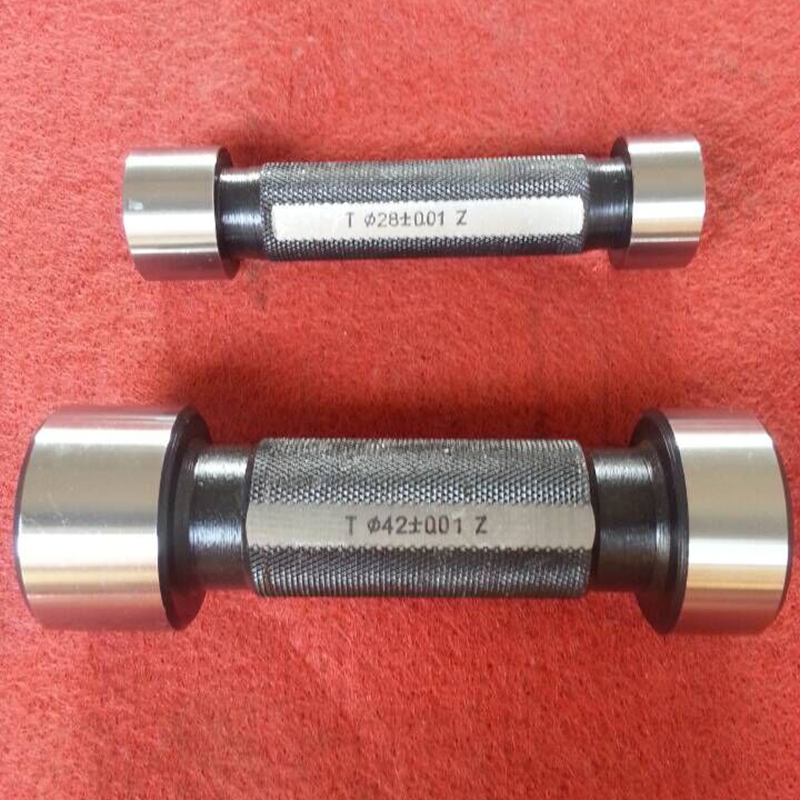
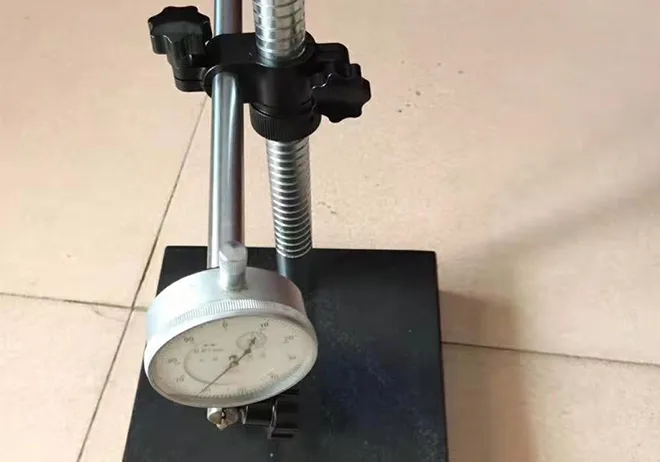
Understanding Bore Gauge Standard Sizes Bore gauges are essential tools in the world of precision engineering and manufacturing. They are used to measure the inner diameters of cylindrical parts, such as pipes, holes, and other similar components. Accurate measuring is crucial in a variety of applications, from automotive to aerospace, ensuring that parts fit together correctly and function effectively. One critical aspect of using bore gauges effectively is understanding the standard sizes available, which can significantly influence measurement accuracy and ease of use. What is a Bore Gauge? Before delving into standard sizes, it is vital to comprehend what a bore gauge is. A bore gauge typically consists of a measurement head with a dial indicator and a set of expanding arms or probes. When inserted into a bore, these arms expand to touch the inner walls of the bore. The dial indicator then provides a reading of the diameter. Bore gauges can be classified into different types, including 1. Mechanical Bore Gauges These gauges rely on mechanical components to indicate measurements. 2. Electronic Bore Gauges These use electronic circuits and displays to provide digital readings, often with increased accuracy. Standard Sizes of Bore Gauges Bore gauges come in a range of standard sizes to cater to various applications and specifications. The sizes are usually defined in terms of the diameter range that the gauge can measure. Here’s a breakdown of common standard sizes 1. Small Bore Gauges These are designed for measuring small diameters, typically ranging from 1 mm to 25 mm (approximately 0.04 inches to 1 inch). Small bore gauges are commonly used in industries such as precision tooling and small-engine manufacturing. 2. Mid-Sized Bore Gauges These gauges usually cover a diameter range from 25 mm to 100 mm (1 inch to 4 inches) . They are more versatile, suited for a variety of applications including automotive parts and larger machinery. bore gauge standard sizes 3. Large Bore Gauges For measuring larger inner diameters, gauges in the range of 100 mm to 300 mm (4 inches to 12 inches) are common. These are often used in construction and heavy industry where large pipes and components are standard. 4. Specialized Bore Gauges Some applications require specialized bore gauges that can measure even larger diameters or specific geometries. These gauges may have custom sizes developed for unique industrial needs. Importance of Selecting the Right Size Choosing the correct bore gauge size is critical for ensuring accurate measurements. Using a gauge that does not fit within the range of the bore can lead to incorrect readings, which in turn may result in defective fits and assembly failures. In industries where precision is non-negotiable, the selection of the correct size is paramount. Misalignment due to improper measurements can lead to increased wear, malfunction, and safety hazards. Calibration and Maintenance Apart from size considerations, it is essential to calibrate bore gauges regularly to maintain their accuracy. Calibration should be performed according to manufacturer recommendations and industry standards. Proper maintenance, such as cleaning and storing the gauges correctly, also extends their lifespan and ensures measurement reliability. Conclusion Understanding bore gauge standard sizes is fundamental for anyone involved in precision measurement and manufacturing. By selecting the appropriate size and maintaining the equipment, professionals can ensure high levels of accuracy and quality in their work. As technology continues to evolve, so too do the designs and functionalities of bore gauges, making them an indispensable tool in modern engineering and manufacturing processes.
about
green tempered glass
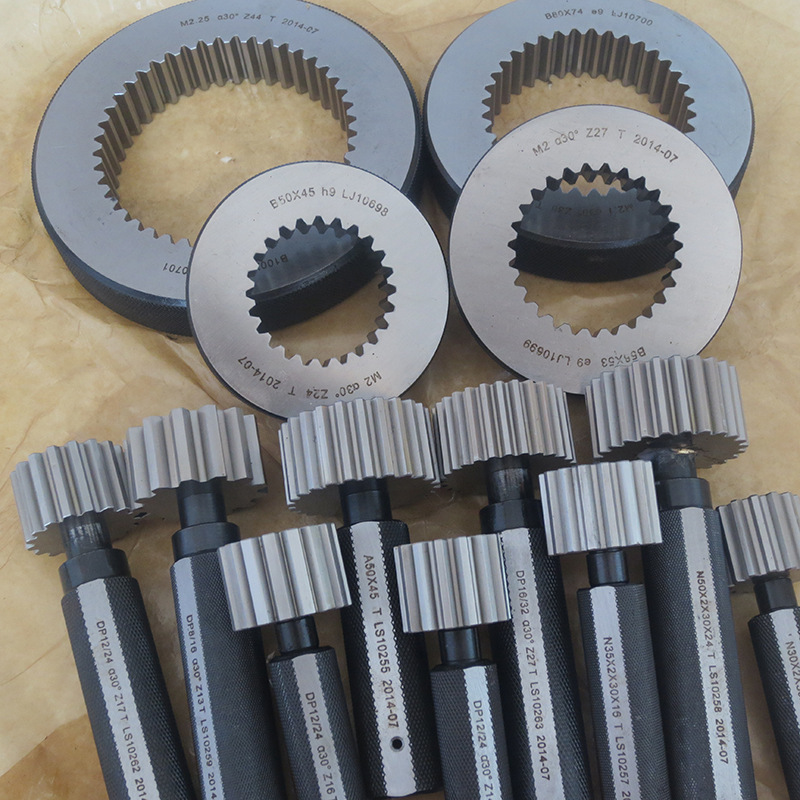
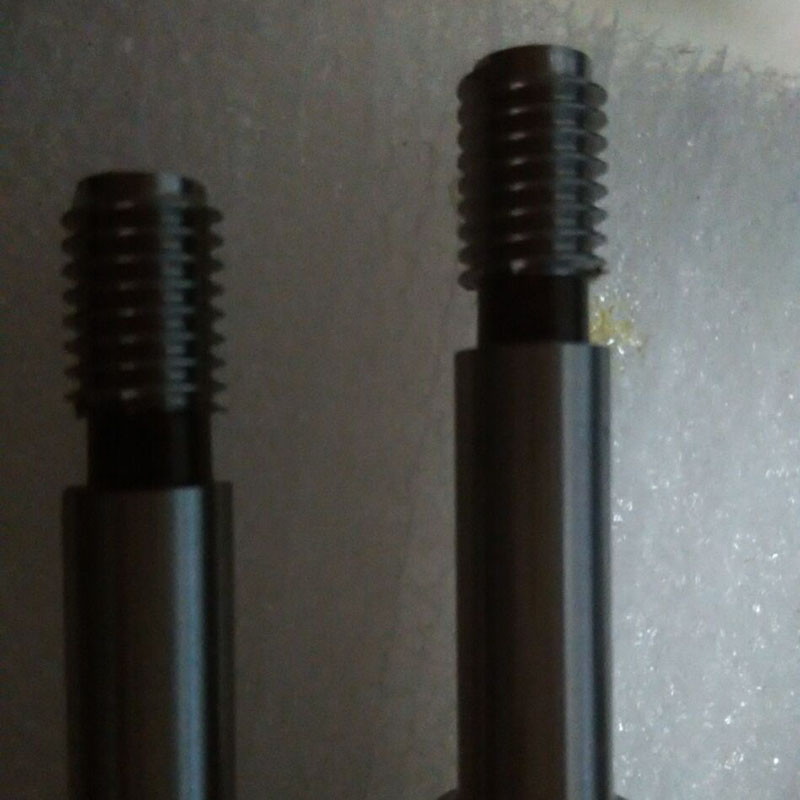
M3スレッドゲージの重要性 M3スレッドゲージは、機械加工や製造業において非常に重要な役割を果たしています。スレッドゲージは、ネジ山の精度や一致性を確認するための測定器具であり、特にM3サイズは多くのアプリケーションで使用されています。この記事では、M3スレッドゲージの特徴とその使用方法について説明します。 . 次に、M3スレッドゲージの種類について紹介します。スレッドゲージには、整合性を確認するための「プラグゲージ」と、ネジの外径や内径を測定するための「リングゲージ」があります。プラグゲージは、ネジが正確に切られているかを確認するために、実際にネジ穴に挿入して使います。一方、リングゲージは、ネジの外径を測定するために使用され、正しいサイズであることを確認します。 m3 thread gauge M3スレッドゲージを使用することで、製品の不良率を低下させ、効率的な生産を実現できます。定期的なチェックにより、ネジ孔の摩耗や不整合を早期に発見でき、修正することでコストを抑えることが可能です。さらに、高精度のネジ加工が求められる場合、M3スレッドゲージは不可欠なツールとなります。 最後に、M3スレッドゲージを使用する際の注意点として、定期的なキャリブレーションと保管方法に気を付けることが挙げられます。正確な測定を維持するために、使用後は清掃し、専用のケースに入れて保管することが大切です。 まとめると、M3スレッドゲージは、精密加工において欠かせない道具であり、製品の品質向上に貢献します。正確な測定を行うためには、適切な使用方法とメンテナンスが不可欠です。
-

High quality industrial productsagement

High quality industrial products
View Details -

Meet the diverse needs of customers

Meet the diverse needs of customers
View Details -

Strict quality control

Strict quality control
View Details -

Top raw materials

Top raw materials
View Details -

Trusted supplier

Trusted supplier
View Details
Our application

news and information
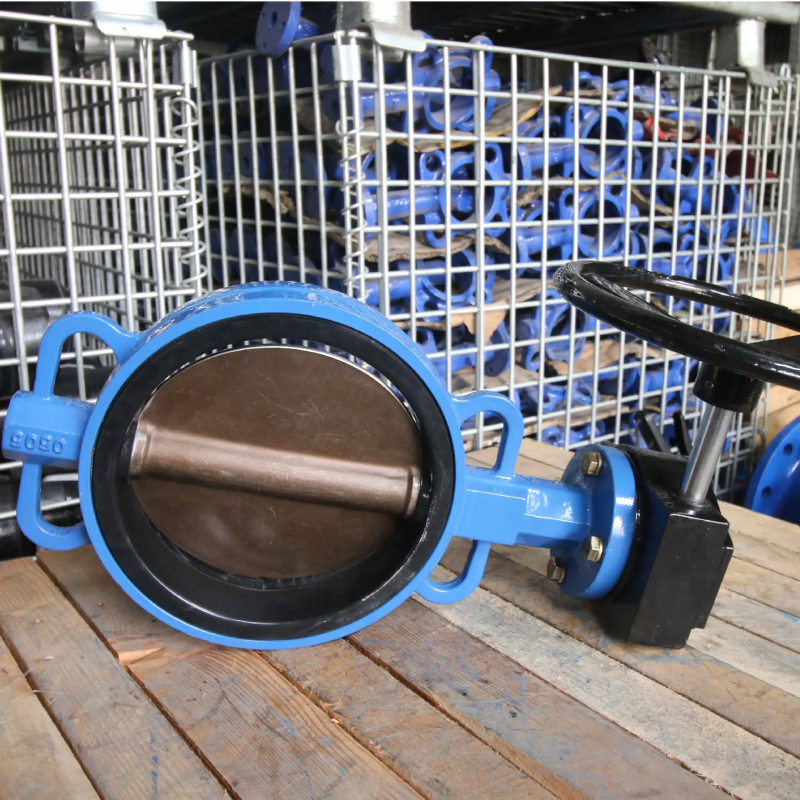
What are the Main Application Areas of Butterfly Valves
Butterfly valves , as an important industrial valve, have a wide and diverse range of applications.
y type strainer filter,,10
Y Type Strainer Filter A Compreensive Guide Y Type Strainer Filter has become an essential tool in
Water Meter Shutoff Valve Installation and Maintenance Guide
Understanding Water Meter Shut-Off Valves Importance and Functionality Water meter shut-off valves a
 English